


Something is happening in Austin backyards. Drive through Westlake, Cedar Park, Dripping Springs, or Bee Cave, and you’ll notice it: outdoor spaces that are no longer simply landscaped or decorated, but genuinely equipped for activity. Courts with crisp striping. Acrylic surfaces in bold colors. Setups that look like they belong in a rec center — except they’re in someone’s backyard.
This is the rise of the game-ready outdoor living space, and it’s reshaping what Austin homeowners expect from their properties. For homeowners ready to be part of this shift, Sundek of Austin designs and installs professional multi-sport courts built to perform in the Central Texas climate for decades.
Austin’s Outdoor Culture Is Driving the Shift
Austin has long been a city that takes its outdoor lifestyle seriously. The Trail of the Lakes, Barton Springs, Zilker Park, the Greenbelt — the city’s identity is inseparable from outdoor activity. It follows that Austin’s residential landscaping trends would eventually reflect that same orientation toward active living.
For years, the premium outdoor feature was the pool. Then outdoor kitchens became standard in higher-end homes. Now, the feature generating the most interest among active households is the sport court — and specifically, the multi-sport setup that serves the whole family rather than a single activity.
The timing reflects broader shifts in lifestyle priorities: a desire to spend more time at home, a focus on physical wellness, and a recognition that outdoor space should contribute meaningfully to daily life rather than just look good from the window.
What “Game-Ready” Actually Means
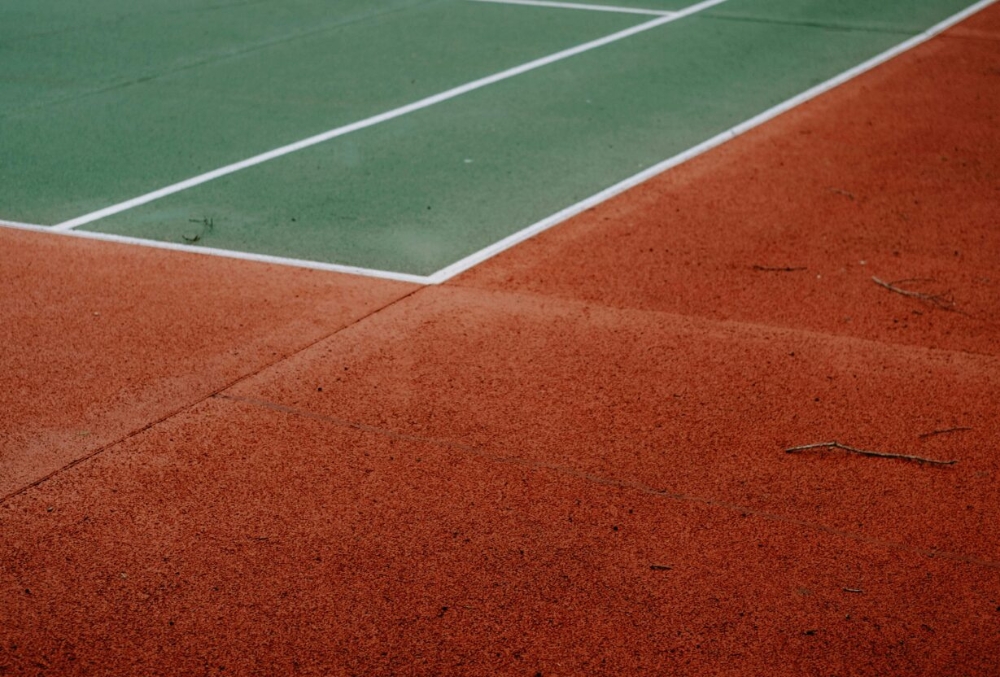
A game-ready outdoor space isn’t a plastic hoop screwed to a garage wall or an unmarked slab of concrete. It’s a purpose-built surface designed for real athletic performance — with the right texture, the right ball-response characteristics, and the right line markings to make every game feel intentional.
For a surface to truly be game-ready, it needs:
A properly prepared concrete substrate. Courts that last are built on well-graded, correctly cured concrete. Skipping this step results in premature cracking, uneven bounce, and water pooling.
A professional acrylic coating system. The surface layer determines playability, safety, and longevity. A high-quality acrylic system provides consistent grip, weather resistance, and UV stability — critical for Austin’s extended sun exposure.
Precise, multi-sport line striping. Overlapping lines from multiple sports can create confusion. Strategic color coding and expert layout planning keep each sport’s court boundaries visually clear.The right scale for the intended use. A regulation pickleball court is 20 by 44 feet. A half-court basketball setup can fit in a modest backyard. A certified designer will help you maximize the utility of your specific footprint.
How Game-Ready Courts Change Daily Life
The most meaningful shift that comes with a game-ready outdoor space isn’t about real estate value or neighborhood aesthetics — it’s about how the household actually functions on a Tuesday evening.
When the court is in the backyard, activity becomes the default rather than the exception. Kids go outside because there’s something to do outside. Adults find themselves playing a game of pickleball before dinner rather than sitting on the couch. Neighbors drift over. Weekend afternoons that used to disappear into screens and errands get replaced by actual play.
This is the underreported value of a well-built home court: it changes behavior by changing the environment. The friction of getting to a public park or rec center is eliminated. The court is just there, ready to go.
The Surge in Residential Court Installations Across Central Texas
Court installation requests have grown substantially across Central Texas, driven in large part by pickleball’s national expansion. With pickleball now recognized as one of the fastest-growing sports in the U.S., demand for residential courts — especially multi-sport setups that include pickleball alongside basketball or tennis — has reached a level the industry has never seen before.
Austin’s active demographic profile amplifies this. The city’s population skews younger, health-conscious, and recreation-oriented, which means the pool of homeowners who will genuinely use a backyard court is proportionally larger here than in many other markets.
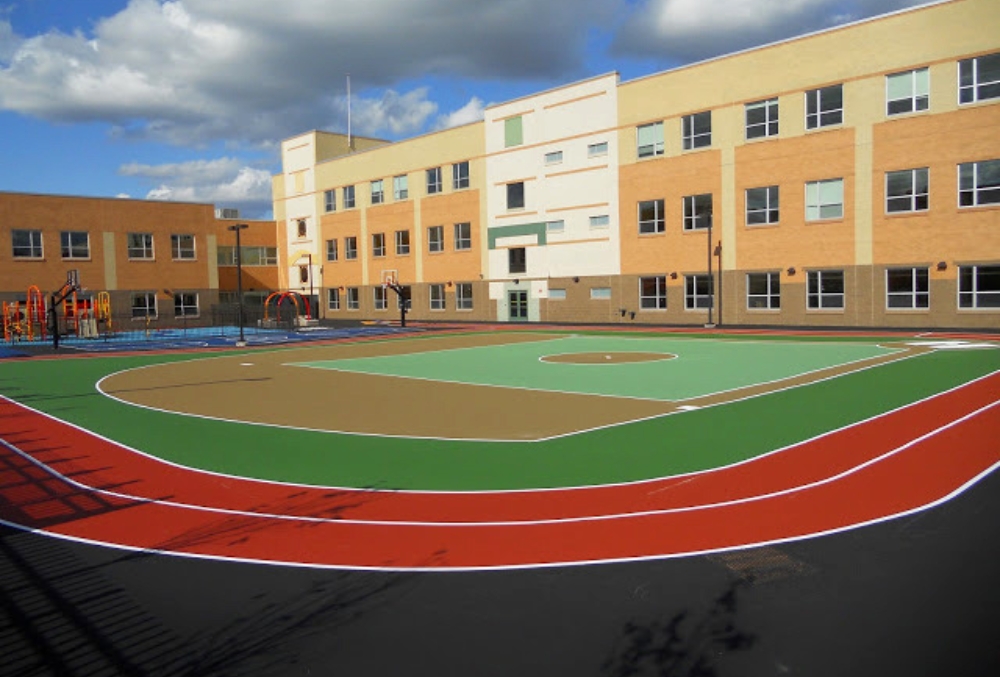
HOA communities and apartment developments in the Austin area are also responding. Multi-sport courts are increasingly appearing as shared amenities in new developments, positioned alongside pools and fitness centers as a key selling feature for active residents.
Building a Game-Ready Space That Lasts
The difference between a court that looks impressive on installation day and one that still performs five years later comes down to the quality of the build — the substrate, the surfacing system, and the installation expertise.
Sundek of Austin has been building and resurfacing courts across Central Texas since 1986. As a certified installer of Nova Sports U.S.A.’s SportCoat acrylic system, the team delivers professional-grade results built specifically for Texas conditions — heat, humidity, freeze cycles, and everything in between.The trends driving this shift are deeply connected to how families are rethinking their outdoor spaces overall. Many Austin homeowners are finding that a single all-in-one backyard court is the most practical active-living upgrade they’ve made to their property. And beyond the game itself, the best outdoor spaces are the ones that keep every member of the family moving together day after day.
See What’s Possible for Your Property
Contact Sundek of Austin at 512-928-8000 or request a free estimate online. We serve Austin and surrounding Central Texas communities including Westlake Hills, Lakeway, Cedar Park, Leander, Georgetown, Round Rock, Dripping Springs, Bee Cave, Buda, Kyle, and San Marcos.